
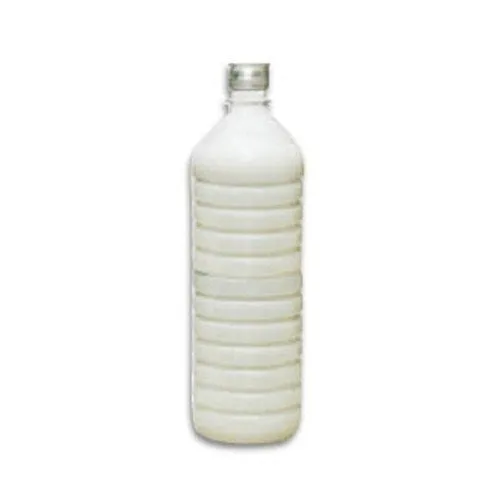






White Phenyl Making Course
Course Introduction
This White Phenyl Making Course is designed to take you from complete beginner to confident manufacturer. Whether you want to start your brand, supply in bulk, or add phenyl to your cleaning product line, this course gives you everything you need—from formulation to final sale.
You’ll learn the core science behind phenyl: emulsification, surfactant blending, fragrance loading, concentrate dilution ratios (1:5 to 1:20), and how to stabilise batches for long shelf-life. We’ll also cover basic, herbal, aromatic, and green phenyl differences, including the eco-friendly Gonyle variant made using cow urine.
This course doesn’t just teach you how to make white phenyl—it gives you the confidence to launch and grow your cleaning product business.
Why Enroll White Phenyl Making Course?
It’s an evergreen product with consistent demand.
High profit margins in both retail and institutional markets.
Easy to start from home or with a small-scale unit.
Opportunity to create eco-friendly or herbal variants.
What Makes This Course Unique
- Main concern of white phenyl makers is separation
- Our formulation is so well balanced with two extra ingredients that it does not get separated.
- You can make thirty liters out of one liter of this formulated concentrate- it is very cheap with assured good quality
- How you can use oil base perfume – technique is narrated elaborately
- Our “kashmere Queen” & “Leenalemon” are very useful in phenyl and fresh odor remains for 6 to 8 hours
- Stability of phenyl is guaranteed
GET STARTED AT RS 1500/-
Theoretical Learning
Introduction to White Phenyl
- Understand what white phenyl is and how it works
- Journey of phenyl from household use to commercial demand
- Classifications: Basic, Concentrate, Herbal, and Eco-Green phenyl
- Application areas: homes, hospitals, industries, and institutions
Benefits & Unique Selling Points
- How phenyl beats regular floor cleaners
- Role in hygiene, fragrance, and long-lasting freshness
- Positioning your phenyl brand with premium feel and safety
Raw Materials & Ingredient Science
- INCI/INS names, usage, and sourcing tips
- Deep insights into emulsifiers, binders, thickeners, and stabilizers
- Role of essential oils and fragrances in product appeal
- pH balancing and ingredient compatibility
Thickener & Concentrate Formulation
- Learn to formulate both basic and commercial-grade phenyl
- Make high-quality concentrate for bulk supply
- Master dilution ratios: 1:5, 1:10, 1:20
- Prevent separation, sedimentation, and fragrance loss
Packaging & Legal Requirements
- Bottle types: from 500 ml to 20L commercial jars
- Designing informative and compliant labels
- Storage and shelf-life boosting techniques
Who Should Join This Course?
- Entrepreneurs looking to start a cleaning product business
- FMCG distributors wanting to diversify
- Homemakers or beginners exploring low-investment business ideas
- NGOs or SHGs focused on eco-friendly cleaning solutions
- Contract manufacturers and small units supplying to schools/hospitals
How This Course Will Benefit You
- Helps you launch your brand with zero technical background
- Offers variations for every market—budget, herbal, and premium
- Learn to create stable, long-lasting emulsions
- Enables you to create scented, eco-friendly phenyls
- Understand the cost structure for better profitability
What Makes This Course Unique
- Covers both traditional and modern phenyl types
- Teaches concentrate production for bulk sale
- Includes business setup, marketing & legal tips
- Emphasises sustainability and herbal formulations
- Suitable for both home-scale and factory-level production
Theoretical Learning
LEARN FROM THE COMFORT OF YOUR HOME
CERTIFICATE
PDF NOTES
EMAIL SUPPORT
STEP-BY-STEP INSTRUCTIONAL VIDEO
365 DAYS COURSE ACCESS
Testimonial
Our Certified Student's
Hear from our students about their journey to success!
Deblina Pandey from Purulia ( remote district of west bengal) came to our Vocational Training on 31/5/2025 and learned Harbal Shampoo, Harbal Hand-wash and harbal phenyl.
Shaving cream - manufacturing training- this is a new item in our training schedule. Rahamatullah from Muzaffarpur came to learn this formulation.
Dipankar Mondal
Student from Bardhaman
Biswanath Das from Malda
Mr Chandan Kundu came to learn Household Products manufacturing
Amit Kumar Majhi From-Kathilabarh.shyampur.Howrah came to Arogya Sandhan Vocational Training on 10th June 2025.Earlier he learned Black Phenyl and doing a good business.Now he wants to expand business.
Biswajit Chakraborty, from Dogachi,Krishnanagar Nadia.learned white phenyl making
School Teacher – 75 Years He learned how to manufacture Neem oil and use of neem oil in herbal phenyl.
Santanu Sadhukhan earlier learned White phenyl,Liquid Detergent Liquid Diswash and has been doing good business for one and half years. Being successful, he wants to expand his business, came to learn how to make Bowl Dishwash Cake popular.
Pranay Chakraborty is successfully managing M.Sc and Business of Manufacturing and selling Herbal phenyl. He learned the process from our Vocational Training in the month of Nov 2024. Now he has 5 dealers and he is expanding Product range. Today he learned Black Phenyl, Soap and Muriatic Acid.
Today, Mrs. Bhattacharya from Madhyamgram took training.
Contact Us
FAQ
Vocational training, also known as vocational education or career and technical education (CTE), is a type of education that prepares individuals for specific occupations or trades. It focuses on providing practical skills and knowledge required for a particular job or industry.
Key Characteristics of Vocational Training
- Practical and Hands-on: Vocational training emphasizes hands-on experience and practical application of skills.
- Job-Specific: Training is tailored to meet the requirements of a specific occupation or trade.
- Industry-Recognized: Vocational training programs are often recognized and certified by industry organizations or regulatory bodies.
- Flexible: Training can be offered in various formats, such as full-time, full time residential, online etc.
Examples of Vocational Training
- Manufacturing Skills- here we mean Manufacturing of Phenyl, Hand wash, Dish wash, Detergent, Soap, Body wash, floor cleaners, Basin cleaner etc.
Benefits of Vocational Training
- Improved Employability: Vocational training increases job prospects and employability.
- Practical Skills: Training provides hands-on experience and practical skills.
- Time-Efficient: Vocational training programs are often shorter than traditional academic programs.
- Cost-Effective: Training can be more affordable than traditional college programs.
Here are compelling reasons why an unemployed youth should consider vocational training:
Vocational Training Benefits
- Acquires Practical Skills: Vocational training provides hands-on experience and practical skills, making individuals job-ready.
- Enhances Employability: Vocational training increases employability chances, as individuals gain relevant skills and knowledge.
- Self-Employment Opportunities: Vocational training can equip individuals to start their own businesses or work as freelancers.
- Improved Confidence: Vocational training helps build confidence and self-esteem, essential for personal and professional growth.
- Specialized Knowledge: Vocational training provides specialized knowledge and skills, making individuals experts in their chosen field.
Addressing Unemployment Challenges
- Bridging Skill Gap: Vocational training bridges the skill gap between education and industry requirements.
- Meeting Industry Demands: Vocational training prepares individuals to meet industry demands and adapt to changing Manufacturing process
- Creating Job Opportunities: Vocational training can create job opportunities in manufacturing,
Personal and Professional Growth
- Develops Problem-Solving Skills: Vocational training helps develop creative skills
- Fosters Adaptability: Vocational training prepares individuals to adapt to new chemicals and technologies, processes
- Enhances Career Advancement: Vocational training can lead to enhancing and advancement of products manufacturing leading to business growth
By undergoing vocational training, unemployed youth can acquire practical skills, enhance employability, and create self-employment opportunities, ultimately leading to personal and professional growth.
Yes,
Offline course is available at
Arogya Sandhan Clinical Laboratory and Doctors Clinic, 67B New Santoshpur Main Road Kolkata 700075
&
2C Second Road, Eastern Park, Santoshpur Kolkata 700075
How long does each course take to complete?
Around 2-3 hours for each household products
How do I enroll in a course?
For online- ( abhijit – please write)
For offline
Contact- 7980326218- Debabrata Sarkar
9331031650(WhatsAapp)
How can I contact you for more details?
Email arogyasandhan@gmail.com
91 9331031650 ( WhatsAapp)
For offline- yes
For online no
Simple Production Process: The production process for household products making is very simple, and the requires almost no machines, very simple things like buckes, mug, measurement cups etc.
Yes, Raw Materials Availability: The raw materials needed for such productions are widely available.
No, it is very much flexible. Household products making can be done on a small scale, allowing individuals to work from home or a small workshop, and manage their own schedule.
Very easy.
Market Demand for all these household is high
These products are widely used in every house, institutions, and industries, ensuring a steady demand for the product.
Very easy to make brand
Branding and Customization: you can create your own brand and customize the the personal formula through this training to cater to specific market needs or preferences.
Profit
Household products help to retain high profits if you know formulations and manufacturing through this Vocational training.
Perfume is an essential item for all household products – good perfume helps to expand the steady demand for your product.
Perfume training
We have made perfume making very easy.
You can make your own perfume foe your own products- you can increase your profit as well as enhance the confidence of your customers.
Yes, you produce household products on a small or large scale and supply it to local retailers, institutions, or industries. You need to employ some persons and become an employer easily
You need not be a chemist‐ for any training. Simple literate can understand and manufacture.
